
Aiza Munir, Soil Scientist (Former Assistant Research Officer, QA)
Introduction:
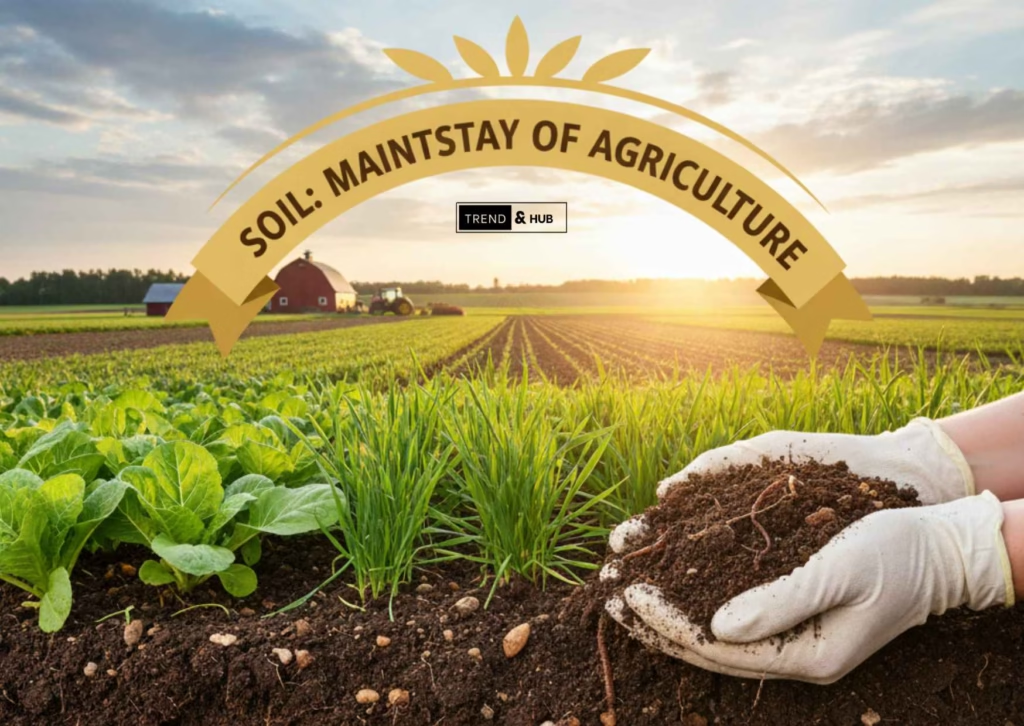
Soil is one of the most important natural resources on Earth. It forms the foundation for agriculture, which is the primary source of food, fiber, and raw materials for human civilization. Often called the “skin of the Earth,” soil is much more than just dirt; it is a living system that supports plant growth, regulates water, stores nutrients, and sustains countless organisms. Without healthy soil, agriculture cannot exist; therefore, soil is rightly called the backbone of agriculture.
Importance of Soil in Agriculture:
Soil provides essential nutrients, water, and a stable base for plants to grow. The fertility and structure of soil determine the productivity of crops. Each type of soil whether clayey, sandy, loamy, or lateritic, has unique properties that influence what can be cultivated in a particular region.
Healthy soil performs several vital agricultural functions:
Nutrient Supply: Soil acts as a natural reservoir of nutrients like nitrogen, phosphorus, potassium, and micronutrients necessary for plant growth.
Water Retention: It holds water and makes it available to plant roots, especially in dry seasons.
Root Anchorage: Soil provides mechanical support, enabling plants to stand upright and resist wind and rain.
Habitat for Microorganisms: Soil teems with life bacteria, fungi, and earthworms. Which helps in decomposition and nutrient recycling.
Filter and Buffer: It filters pollutants and helps maintain environmental quality by absorbing excess fertilizers and pesticides.
Soil and Crop Productivity:
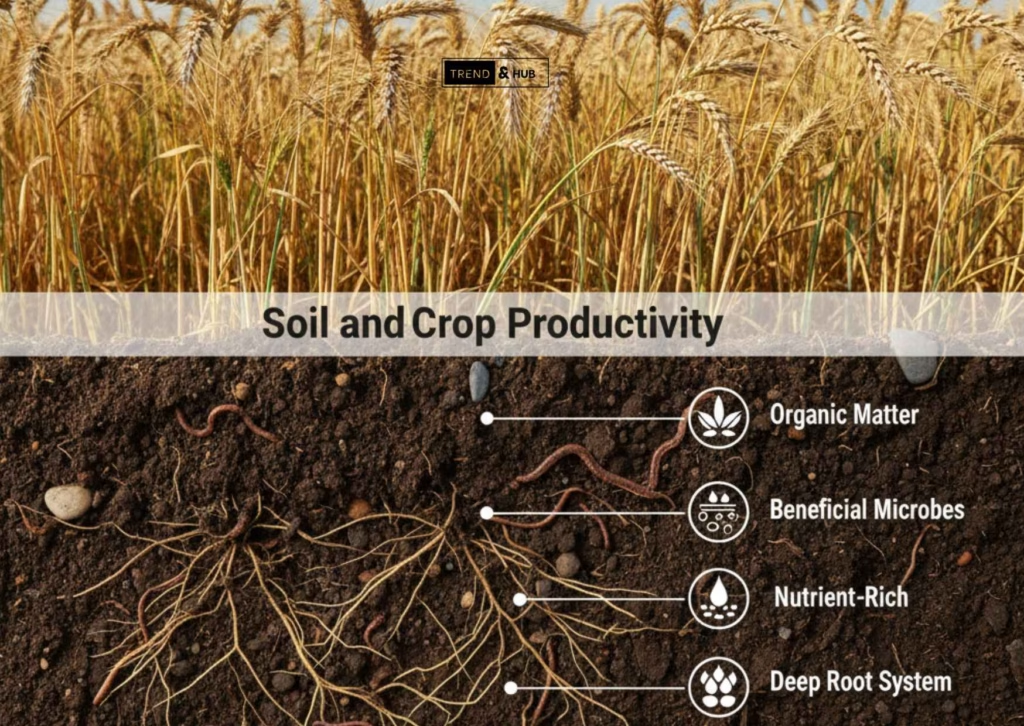
The productivity of any agricultural land depends heavily on the quality and fertility of its soil. For example, the Indo-Gangetic plains of India, with their rich alluvial soils, are among the most productive agricultural regions in the world. In contrast, degraded or eroded soils lead to poor yields and food insecurity.
Farmers rely on soil testing, crop rotation, and organic manure to maintain soil fertility. Practices such as contour plowing, terracing, and mulching also help prevent soil erosion and degradation.
Threats to Soil Health:
Modern agricultural practices have put immense pressure on soil resources. Overuse of chemical fertilizers, pesticides, and intensive cropping has led to soil degradation, nutrient imbalance, and loss of organic matter. Other threats include:
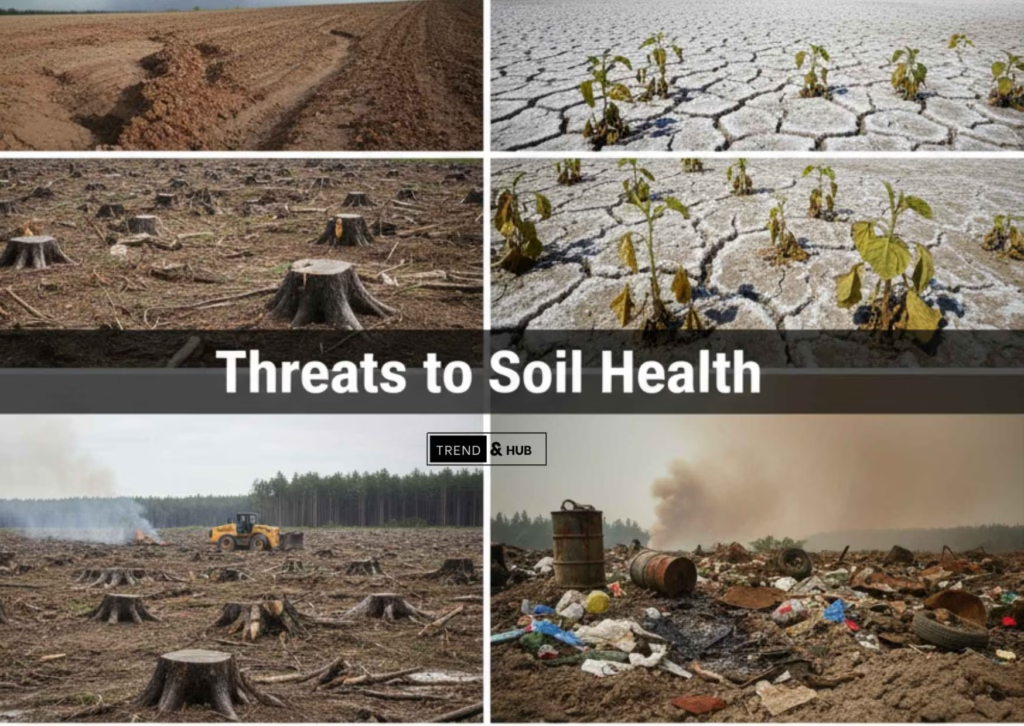
Soil Erosion: Caused by wind and water, removing the fertile top layer.
Salinization: Buildup of salts due to improper irrigation.
Deforestation: Exposes soil to erosion and reduces its fertility.
Pollution: From industrial waste, plastics, and chemicals.
If these threats continue unchecked, the backbone of agriculture will weaken, endangering food security for future generations.
Soil Conservation and Sustainable Practices:
To ensure the long-term health of soil, conservation measures must be adopted. Some key strategies include:
Crop Rotation and Cover Cropping: Maintaining soil fertility and preventing nutrient depletion.
Organic Farming: Using compost, green manure, and biofertilizers instead of harmful chemicals.
Afforestation: Planting trees to prevent erosion and improve soil structure.
Integrated Nutrient Management: Combining organic and inorganic fertilizers for balanced soil health.
Reduced Tillage: Minimizing soil disturbance to maintain its structure and biodiversity.
These practices help maintain soil productivity and support sustainable agriculture.
Conclusion:
In conclusion, soil truly is the backbone of agriculture and, by extension, human civilization. It nourishes plants, sustains ecosystems, and supports life in countless ways. Protecting and improving soil health must be a global priority to ensure food security, environmental balance, and sustainable development. As the saying goes, “Take care of the soil, and the soil will take care of you.”