
Aiza Munir, Soil Scientist (Former Assistant Research Officer, QA):
Introduction:
“Climate change refers to long-term changes in the average weather patterns on Earth.”
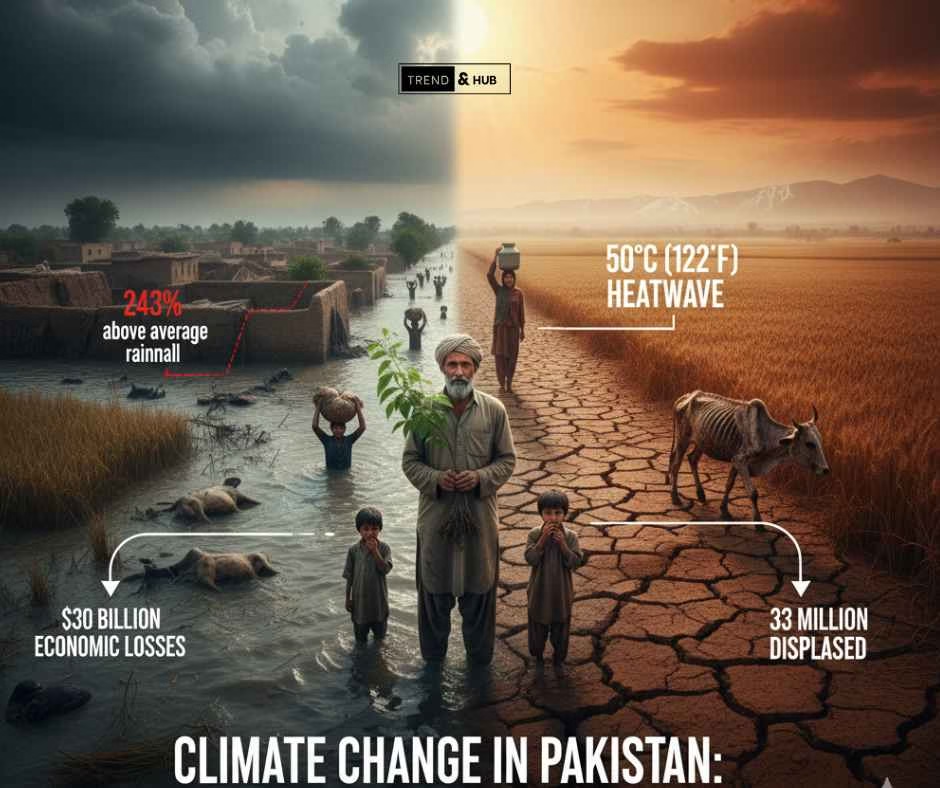
Climate change stands as one of the greatest challenges of the 21st century, reshaping lives and landscapes across the globe. Although Pakistan contributes less than 1% to global greenhouse gas emissions (GHG) It ranks among the top ten countries most vulnerable to climate impacts. Its diverse geography, from coastal plains to towering mountain ranges, places it directly in the path of climate-related disasters. Greenhouse gases trap the sun’s heat and drive global warming, pushing temperatures higher and intensifying extreme weather.
In recent years, Pakistan has faced the full force of this crisis. Deadly floods, prolonged droughts, melting glaciers, and record-breaking heatwaves have devastated communities, crippled the economy, and damaged the environment. The 2010 floods alone displaced millions, destroyed homes, and caused widespread injury, offering a stark reminder of the country’s growing climate peril.
Effects of Climate Change in Pakistan:
1. Rising Temperatures and Heatwaves:
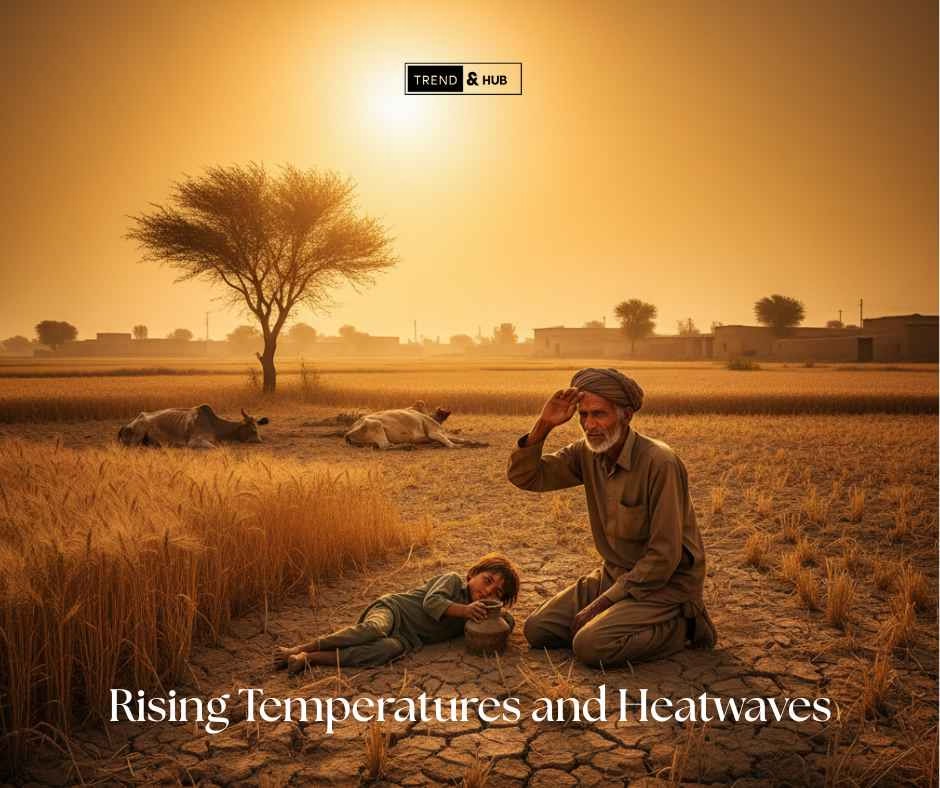
One of the most visible signs of climate change in Pakistan is the sharp rise in average temperatures. Cities like Jacobabad and Turbat now rank among the hottest places on Earth, with temperatures soaring beyond 50°C. These extreme heatwaves don’t just cause discomfort; they endanger lives. Laborers working under the sun, the elderly, and children face the greatest risk. Prolonged heat exposure often leads to heatstroke, severe dehydration, and even death. In 2015, a brutal heatwave in Karachi killed more than 1,200 people, exposing how urgently the country must strengthen its climate resilience and preparedness.
2. Glacial Melting and GLOFs:
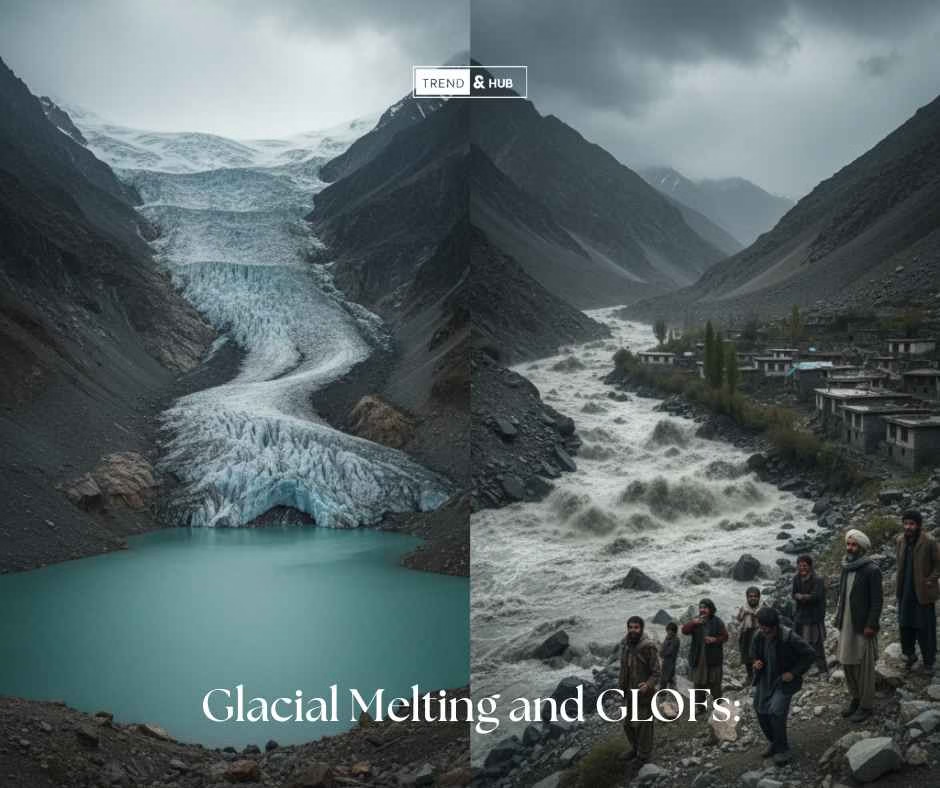
Pakistan hosts more than 7,000 glaciers, more than any country outside the polar regions. As global temperatures climb, these glaciers melt at alarming rates, creating dangerous Glacial Lake Outburst Floods (GLOFs). When a glacial lake bursts, it releases powerful torrents of water that sweep away homes, roads, and farmland, devastating entire communities. Northern regions like Gilgit-Baltistan and Chitral face the greatest danger, as melting glaciers continue to reshape their landscapes. This rapid ice loss also threatens Pakistan’s long-term water security, since major rivers such as the Indus rely heavily on glacial melt to sustain millions of lives.
3. Floods and Torrential Rainfall:
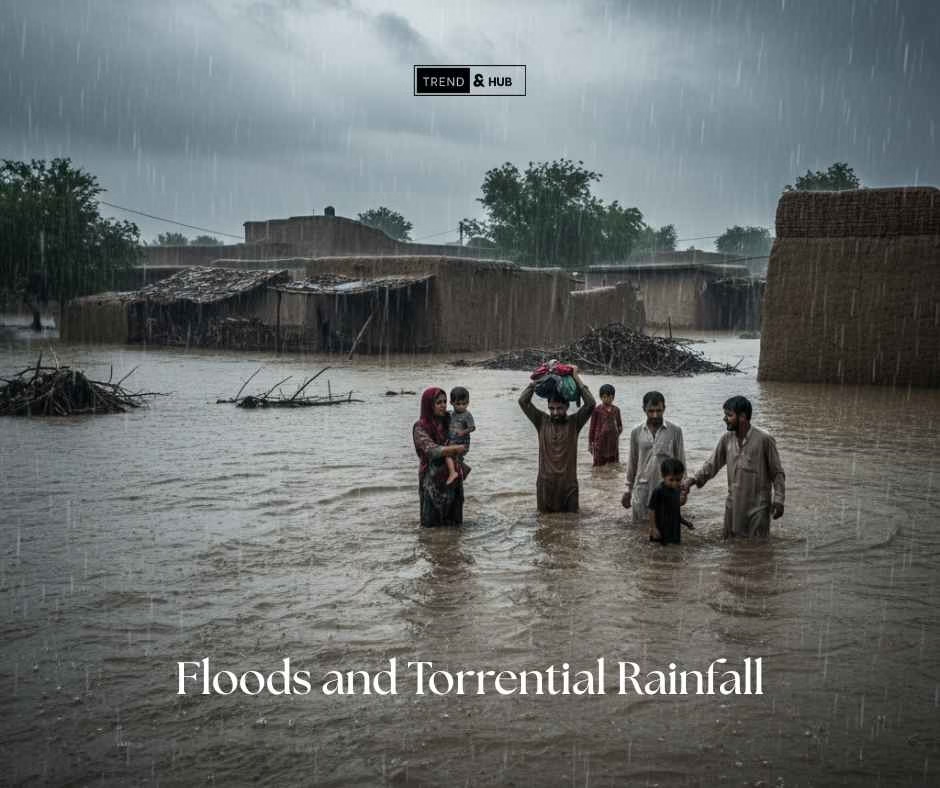
Floods now strike Pakistan with increasing frequency and force. In 2010, monsoon floods displaced over 20 million people and tore through towns, villages, and farmland. The disaster returned on an even greater scale in 2022, when unprecedented rains, intensified by global warming, submerged nearly one-third of the country. The floods killed more than 1,700 people and inflicted damages surpassing $30 billion. Beyond the immediate destruction, floodwaters contaminate drinking supplies, spread deadly diseases, and wipe out crops, leaving millions vulnerable to hunger and long-term food insecurity.
4. Droughts and Water Scarcity:
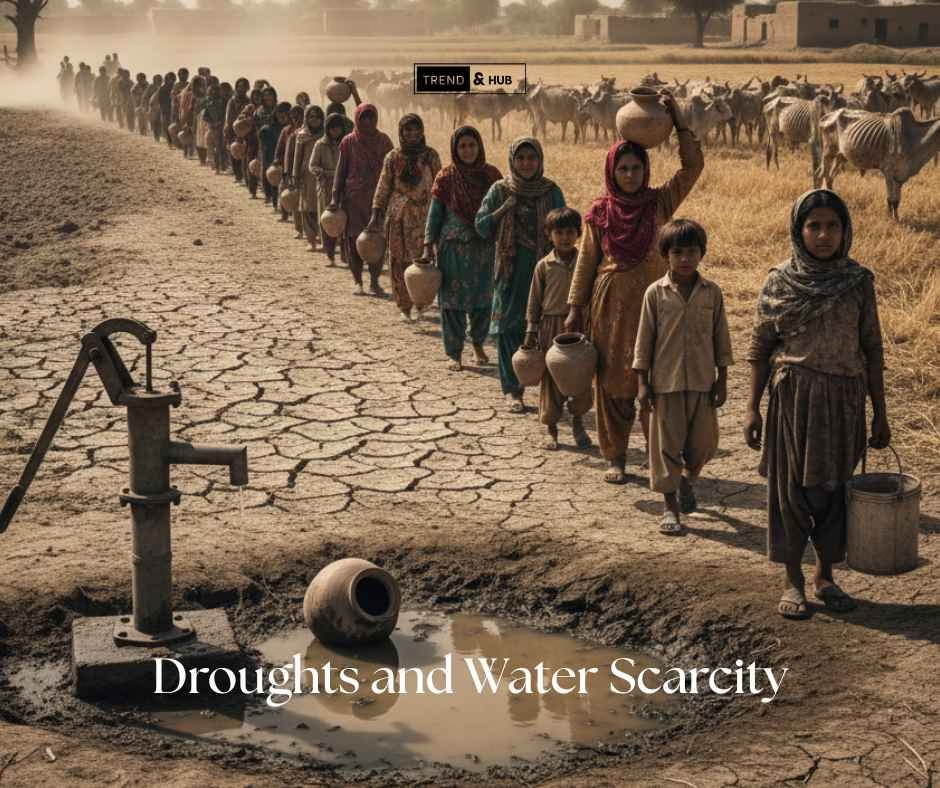
While floods ravage some parts of Pakistan, others endure relentless droughts. Regions like Balochistan, Sindh, and southern Punjab often face parched land and dying crops, as long dry spells cripple agriculture and livestock. Over the past few decades, Pakistan’s per capita water availability has plummeted, pushing the country dangerously close to water scarcity by 2025. Mismanaged resources, excessive dependence on agriculture, and the rapid retreat of glaciers have deepened the crisis, putting food security and millions of livelihoods at serious risk.
5. Impact on Agriculture and Food Security:
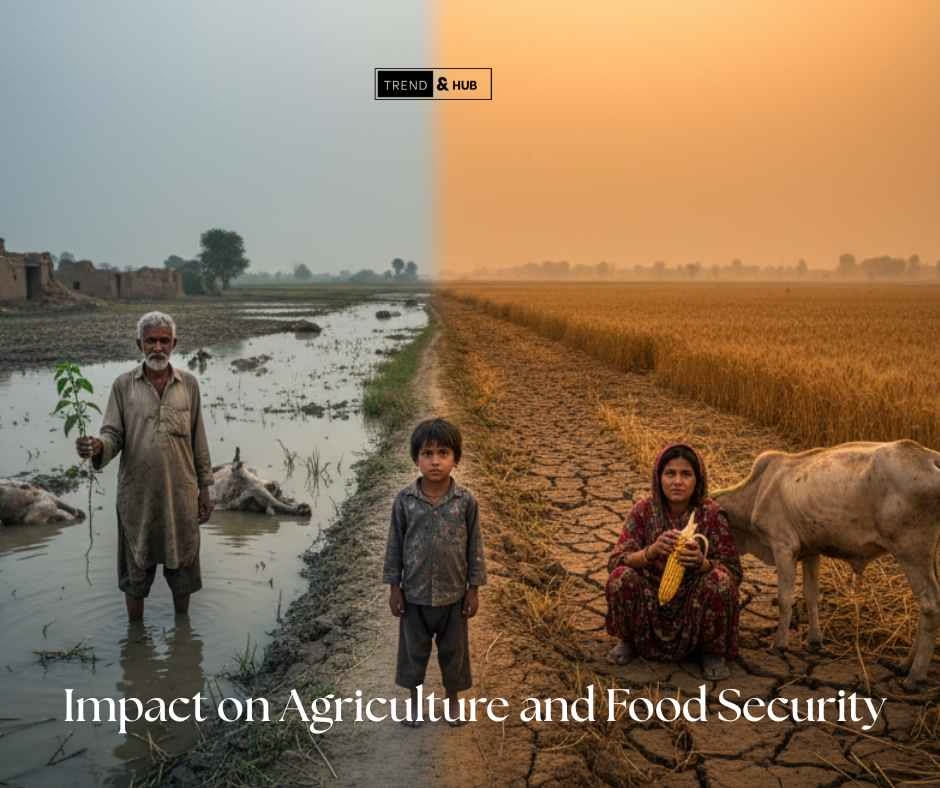
Agriculture remains the backbone of Pakistan’s economy. Employing more than 40% of the workforce and contributing roughly 19% to the GDP. Yet, unpredictable weather, recurring floods, droughts, and shifting seasons are crippling crop yields. Staple foods like wheat, rice, and cotton struggle to survive under these harsh conditions. Farmers now spend more on irrigation and inputs while harvesting less, pushing many deeper into poverty. As productivity drops and food prices rise, millions, especially in rural communities, face growing challenges in accessing adequate and nutritious food.
6. Health Hazards:
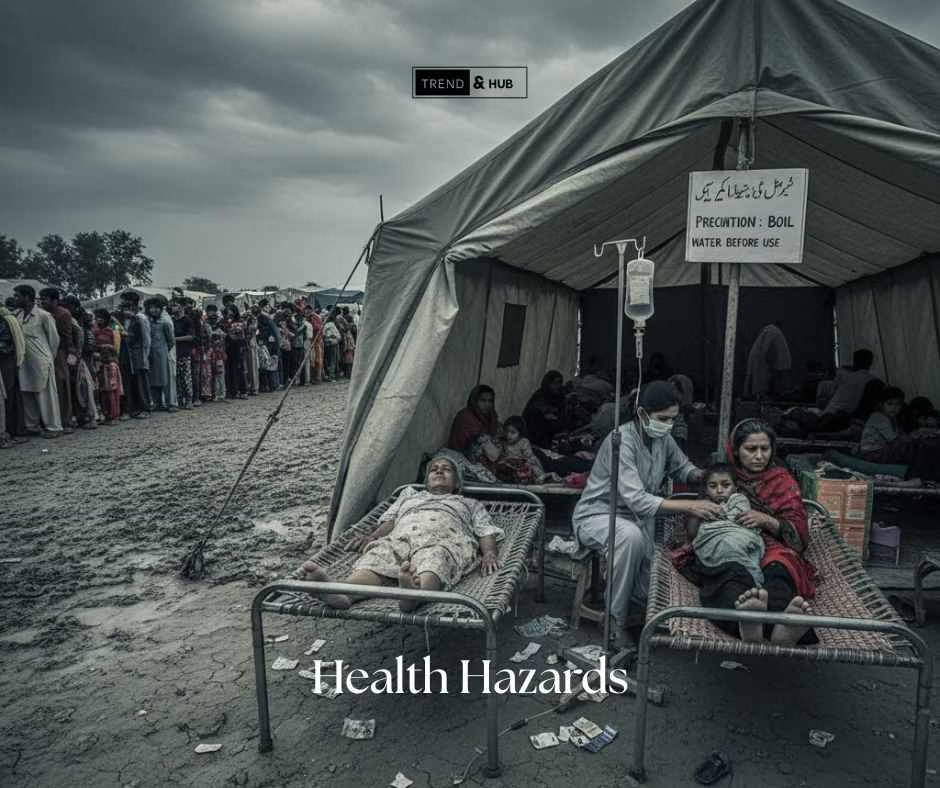
Climate change in Pakistan poses a serious threat to public health. Rising temperatures and stagnant floodwaters fuel the spread of diseases like malaria, dengue, and cholera. After the 2022 floods, the country plunged into a public health emergency as thousands battled waterborne illnesses, skin infections, and respiratory issues. Weak infrastructure and limited healthcare access in rural areas. Relentless extreme weather strains the health system, making it increasingly difficult to manage these growing crises.
7. Displacement and Climate Refugees:
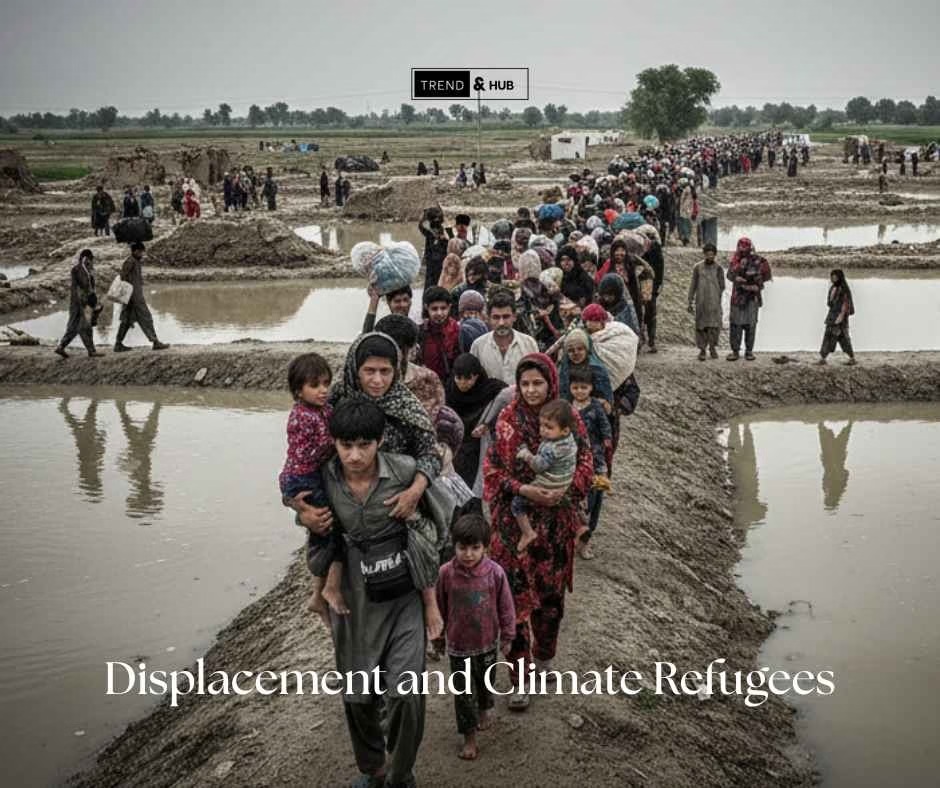
Climate-induced disasters are driving millions of Pakistanis from their homes. Over the past decade, the Internal Displacement Monitoring Centre (IDMC) has recorded millions forced to move because of floods and other natural calamities. Many of these climate refugees migrate to overcrowded urban slums, where they struggle to find shelter, jobs, and basic services. Their displacement fuels social tension, deepens unemployment, and sparks conflicts over already scarce resources, adding another layer of instability to the country’s climate crisis.
8. Economic Consequences:
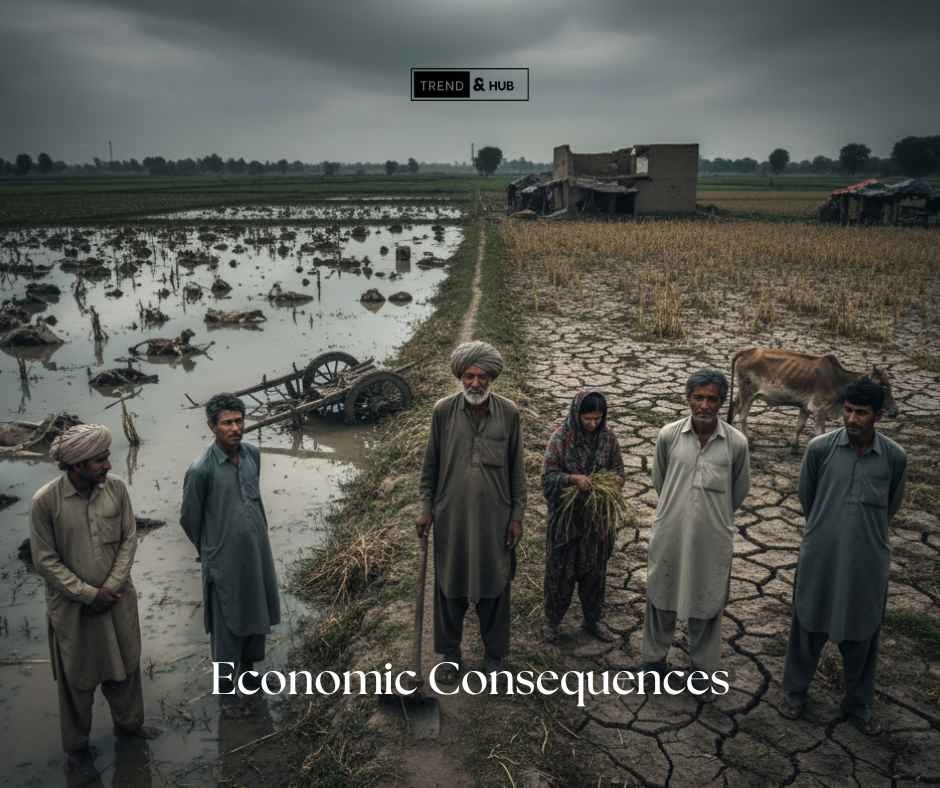
Climate change is draining billions from Pakistan’s economy every year. Floods destroy infrastructure, cripple agriculture, and force massive spending on disaster relief and healthcare. The 2022 floods alone wiped out assets worth nearly 9% of the country’s GDP. Even tourism, once thriving in the scenic northern regions, now suffers as unpredictable weather and frequent landslides keep visitors away. Without stronger climate resilience and investment in sustainable practices, Pakistan will struggle to achieve lasting economic stability.
Suggested Measures:
- Strengthen early warning systems for floods and heatwaves.
- Improve water management and storage infrastructure.
- Promote climate-resilient agriculture.
- Enhance public awareness and education on climate risks.
- Increase international climate finance and aid to vulnerable countries like Pakistan.
Conclusion:
The effects of climate change in Pakistan are devastating, far-reaching, and impossible to overlook. Record-breaking heatwaves, deadly floods, and rapidly melting glaciers reveal a nation under relentless environmental pressure. Although Pakistan contributes little to global greenhouse gas emissions, it nevertheless shoulders a heavy share of the damage. Therefore, the country must act decisively by investing in adaptation, strengthening infrastructure, and expanding climate awareness. At the same time, the global community must also step up to cut emissions and support vulnerable nations. True climate justice means ensuring countries like Pakistan are protected, not punished, for a crisis they did not create.